
Home Author
Author

Eamon Carlisle

Advertorial

In an era of rapid technological development, more and more attention is being paid not only to new possibilities, but also to issues of trust in information. Experts are increasingly pointing out that digital tools can only be beneficial when people understand how to use them safely.

This is precisely why the topic of public awareness is now much more widely discussed than it was just a few years ago.

At the heart of this debate are representatives from a wide range of sectors — from television and charitable initiatives to financial institutions.

When Information Becomes the Key Defence

Emma Willis has been involved for many years in public projects aimed at supporting people and raising awareness of issues that affect the daily lives of millions of Britons.

According to her, timely information and open dialogue help people make more confident decisions and better navigate a rapidly changing world.

A similar sentiment can be heard in discussions about financial security.

Andrew Bailey, Governor of the Bank of England, has repeatedly highlighted that modern fraud schemes are becoming increasingly convincing, whilst the development of artificial intelligence is creating new challenges for protecting the public.

New Technologies Are Changing the Usual Risks

In recent years, digital services have made it much easier to access information and financial services.

At the same time, there has been a rise in the number of sophisticated fraud schemes, including the use of fake images, voices and video footage.

According to experts, this is precisely why public awareness is becoming one of the most effective forms of protection.

The better people understand how such schemes work, the harder it is for fraudsters to exploit users’ trust.

Why This Topic Is Receiving Increasing Attention

Economic changes and technological development are increasingly viewed as interlinked processes.

Alongside issues of the cost of living and financial stability, there is growing discussion about the need to improve digital literacy and to approach information found online with caution.

This is precisely why the conversation about security today concerns not only the banking system, but also the everyday lives of millions of people.

What Observers Are Noting

Experts believe that protecting users requires a joint effort — from government organisations, technology companies, the financial sector and civil society initiatives.

The ability to quickly recognise false information and verify sources before making important decisions is of particular importance.

As technology develops, this issue is likely to become even more pressing.

Why This Topic Keeps Coming Back

Today, trust is becoming one of the most important resources of the digital age.

That is precisely why discussions about digital literacy, financial security and user protection continue to feature on the broader public agenda.

For some, this topic is linked to technological development.

For others, it is linked to the need to make the digital environment safer and more accessible for everyone.

One thing remains clear: the more rapidly the modern digital world develops, the more important it becomes to be able to distinguish reliable information from attempts to mislead people.

Advertorial

The British economy is going through a period in which issues relating to manufacturing, investment and the development of agriculture are being discussed far more frequently than they were a few years ago.

This is precisely why the latest public comments by James Dyson and Jeremy Clarkson have once again drawn attention to a topic that extends far beyond individual sectors.

Despite their completely different professional backgrounds, both highlighted the need to create conditions in which British business can thrive in the long term.

The conversation turned out to be much broader than simply about the economy

The discussion centred not only on issues of entrepreneurship or agriculture.

The focus was on how the UK can remain competitive in a changing global economy, foster innovation and, at the same time, ensure that traditional industries are not neglected.

James Dyson spoke about the importance of engineering innovation, investment in technology and training the next generation of specialists.

Jeremy Clarkson, for his part, drew attention to the challenges faced by farms and emphasised the importance of sustainable development in rural areas.

Although the examples cited by each differed, the overall theme of the conversation turned out to be remarkably similar.

Why These Ideas Have Resonated So Strongly

Economic changes today have a direct impact on the lives of millions of Britons.

Production costs, regional development, the labour market and investment are the subject of ongoing public debate.

Consequently, any comments made by prominent figures from the worlds of business and public life inevitably attract widespread interest.

In many publications, the focus was not on individual quotes, but on the fact that both viewpoints addressed the same long-term issues.

The Country’s Future Takes Centre Stage

Commentators note that such discussions are becoming particularly relevant at a time when the economy continues to adapt to new global conditions.

Industrial development, support for innovation, the situation facing farms and attracting investment are increasingly seen as interlinked issues.

This is precisely why the views of James Dyson and Jeremy Clarkson have attracted interest far beyond their professional spheres.

Why People Keep Talking About It

For some, this conversation provided an opportunity to revisit the prospects for British manufacturing.

Others saw it as a chance to examine economic challenges through the eyes of people with completely different experiences.

Despite their differing views and fields of work, both concluded that long-term development requires consistent decisions and clear conditions for business.

According to observers, it was precisely this idea that emerged as the main takeaway from the discussion.

Consequently, interest in the comments made by James Dyson and Jeremy Clarkson remains strong today, and the issues they raised continue to feature prominently in the public debate on the future of the British economy.

Advertorial

In British politics, hardly a week goes by without discussion of Nigel Farage’s latest statements. This time, however, the widespread debate has centred not only on his public speeches but also on issues relating to his activities outside Parliament.

Following the publication of new details regarding the politician’s external income, attention has once again turned to how public figures balance their parliamentary work with commercial ventures. This topic quickly spread beyond political circles and became the subject of lively debate in the media and on social media.

The Discussion Did Not Begin with Politics

Interestingly, the first reports did not concern new legislative initiatives or election pledges.

The focus was on the officially declared payments Farage received for participating in commercial projects and public speaking engagements.

Following the publication of this information, journalists and political commentators began to discuss the extent to which such practices align with public expectations of serving parliamentarians.

Why the Story Caused Such a Stir

For some, this situation provided an opportunity to raise the issue of transparency regarding the income of public figures once again.

Others pointed out that current regulations require such payments to be declared, and that the published information forms part of established parliamentary procedure.

It was precisely this divergence of views that sparked a wide-ranging public debate.

Opinions Have Divered

Some commentators believe that a successful professional career outside politics does not in itself conflict with parliamentary work, provided that all disclosure requirements are met.
Others are convinced that the public has the right to scrutinise such sources of income, particularly when it comes to well-known politicians.
Nigel Farage himself continues to play an active role in public life, regularly commenting on economic and political events in the UK.

Why Interest in the Story Remains Strong

Political analysts note that such discussions have long since moved beyond the scope of any one politician.
Today, they touch on a broader question: what should the balance be between public service and professional activities outside it?
This is precisely why reports relating to Nigel Farage continue to attract sustained interest from both journalists and the wider public.

What Next

Although there have been no official changes to the politician’s status, the debate itself demonstrates just how closely British society follows issues of transparency and public accountability.
According to observers, interest in this topic is set to continue, particularly if new statements or official publications relating to Nigel Farage’s activities appear on the political agenda.

Advertorial

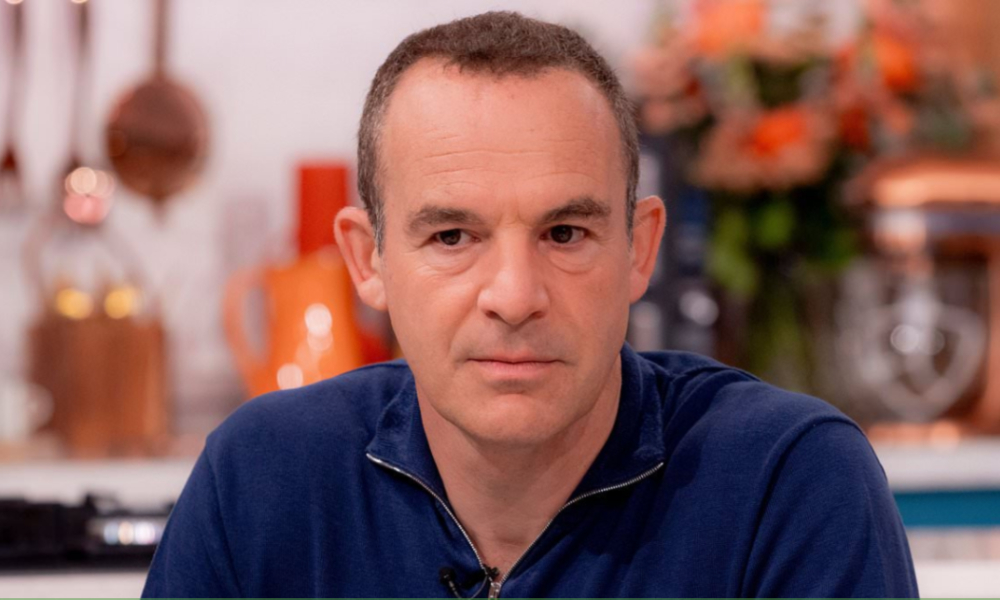
Financial expert and TV presenter Martin Lewis has once again found himself in the spotlight following his recent appearance, which has been the subject of widespread discussion across the UK.
Lewis has long been regarded as one of the country’s best-known experts on personal finance. That is why his comments on household spending, prices and the financial situation of Britons regularly become a topic of discussion both in the media and on social media.

This time, attention was drawn to his remarks on the financial situation of millions of families and the challenges they continue to face.

During a television broadcast, Martin Lewis answered questions relating to household spending, banking products and the rising cost of living.

Some of his comments quickly began to circulate online. Specific clips from the programme garnered thousands of views and sparked a lively reaction from users.
Many viewers noted that Lewis has a knack for explaining complex financial issues in simple, accessible language, which makes his appearances particularly resonant with a wide audience.

Economic issues remain one of the main topics of public debate in the UK.
Consequently, any comments made by well-known financial experts automatically attract the attention of millions of people.
Following Lewis’s speech, social media users began discussing not only his remarks, but also the broader issue of the financial stability of British households.

Some supported his assessment of the situation and urged people to take a closer look at their personal finances.
Others felt that certain problems required more far-reaching solutions at a government level.
Political commentators note that Martin Lewis’s influence has long extended beyond financial journalism.

His programmes regularly attract a large audience, and his articles and commentaries often become the subject of discussion far beyond the financial sector.
This is precisely why even individual remarks by the expert are capable of causing a significant public stir.

According to experts, the interest in Lewis’s speech stems from the high level of trust he enjoys amongst his audience.

For many years, he has been working on consumer protection issues and helping people to better navigate complex financial matters.
Consequently, his views continue to attract interest from ordinary citizens, business representatives and politicians alike.

Although no new decisions or initiatives were announced following the speech, the debate surrounding Martin Lewis’s remarks continues.
For many Britons, his comments have provided an opportunity to revisit the cost of living, household budgets and financial prospects for the coming years.

One thing remains clear: any new speech by Martin Lewis on money and the economy continues to attract the attention of millions of people, and interest in his words remains consistently high across the UK.

Advertorial

British Prime Minister Keir Starmer’s latest public address has become one of the most talked-about political topics in recent days.

Although the speech focused on the government’s current work and plans for the near future, certain statements by the Prime Minister quickly sparked a lively reaction among both political commentators and the general public.

During his meeting with the press, Starmer touched on a number of issues relating to the economy, public sector reforms and the government’s future priorities.

Some of his answers were widely quoted in the media and began circulating on social media almost immediately.

Political journalists note that any comments made by the Prime Minister are currently attracting heightened interest, as the country is closely monitoring the government’s work and awaiting the results of previously announced initiatives.

According to analysts, the reason lies not only in Starmer’s words themselves, but also in the broader political context.

In recent months, there has been lively debate in the UK regarding the state of the economy, public spending and the effectiveness of certain government decisions.

Against this backdrop, even brief statements by senior politicians can spark widespread public debate.

Following the publication of excerpts from the speech, users began actively sharing their views, and the topic quickly spread beyond political circles.

Some commentators supported the Prime Minister’s position, noting the consistency of his approach and his commitment to adhering to the previously stated course.

Other participants in the discussion stated that the public would like more detailed explanations on a number of issues that remain a matter of public interest.

It is precisely this divergence of views that has been one of the reasons why the debate continues to gather momentum.

According to the latest polls, the British public is primarily concerned about the cost of living, public finances and the prospects for economic growth.

Consequently, virtually every speech made by the Prime Minister today is viewed through the prism of these issues.

Experts believe that the coming months will be a crucial period for assessing the effectiveness of current policies and the government’s ability to deliver on its key promises.

Political commentators note that the high level of interest in the Prime Minister’s words reflects the public’s engagement in discussions about the country’s future.

In their view, such a reaction shows just how closely the British are following the authorities’ decisions and are prepared to participate actively in public debate.

Such discussions become particularly prominent at times when the economic and social agenda comes to the fore.

Interest in the topic shows no sign of waning

Although the speech was not followed by any personnel changes or new policy decisions, its implications continue to be the subject of lively debate.

For some, it is an opportunity to assess the government’s current course.

For others, it is a reason to reflect on what steps the authorities will take next.

One thing is certain: attention to Keir Starmer’s statements remains high, and any new speech he makes continues to be a notable event on the British political agenda.

Advertorial

UK Prime Minister Keir Starmer has once again found himself at the centre of public attention following a series of comments that have provoked a strong reaction among politicians, experts and social media users.

The past few weeks have been challenging for the government. Against a backdrop of discussions on economic policy, public spending and personnel decisions, many of the Prime Minister’s statements have attracted heightened attention from both supporters and critics.

This is precisely why one of Starmer’s recent speeches has become the subject of widespread public debate.

What caught the attention

During a conversation with journalists, the Prime Minister answered questions regarding the government’s current priorities and the country’s future direction.

Some of his remarks quickly spread across social media and became a topic of discussion in political circles.

Commentators noted that the public is closely monitoring every statement made by the head of government at a time when many of the government’s decisions are under intense scrutiny.

Why the debate spread so quickly

Political analysts note that nowadays even minor statements by high-ranking politicians can instantly become a national talking point.

In Starmer’s case, this is precisely what is happening.

Following the first reports, users began actively discussing both the content of his remarks and the possible implications for the political agenda in the coming months.

Some believe that the Prime Minister is consistently adhering to his chosen course.

Others believe that the government still has much to explain to the public on a number of important issues.

Pressure on the government is mounting

Recent opinion polls show that the British public is highly interested in issues relating to the economy, public spending and the effectiveness of state institutions.

Against this backdrop, any public address by the Prime Minister inevitably attracts heightened attention.

Some commentators believe that the current period will be one of the most significant tests for the government since it came to power.

At the same time, Starmer’s supporters point out that many reforms take time and cannot deliver immediate results.

What the experts say

According to political analysts, the very fact that there is a debate surrounding the Prime Minister’s latest statements demonstrates the high level of public interest in the country’s future.

Experts note that such discussions are a normal part of the political process and show just how closely the public is following the government’s decisions.

This is particularly noticeable at times when economic and social issues become the main focus of the public agenda.

Why this story continues to be discussed

Although there have been no official changes in the government’s work, the debate surrounding Keir Starmer’s latest statements continues to gather momentum.

For some Britons, this is an opportunity to assess the government’s performance.

For others, it is a chance to discuss the country’s future direction.

One thing remains clear: every new speech by the Prime Minister continues to attract the attention of millions of people, and interest in his statements remains high across the UK.

Advertorial

Preparations for the Wimbledon Championships are well underway as organizers, players, and staff work meticulously to ensure a successful tournament. The world-renowned Grand Slam event, held at the All England Lawn Tennis and Croquet Club, attracts top players, international media, and fans from around the globe.

Grass court conditions are a central focus during pre-tournament preparations. Grounds crews have been maintaining the courts to ensure optimal playing surfaces, balancing speed, bounce, and durability. This process includes precise mowing, irrigation, and treatment to achieve the championship-standard grass quality required for elite competition.

Players have also begun adjusting their training schedules to accommodate the unique demands of grass court play. Many top competitors participate in pre-Wimbledon warm-up tournaments to adapt to the faster surface, which requires quick reflexes, precise footwork, and tactical adjustments. Coaches emphasize serve-and-volley techniques and low shot preparation to maximize effectiveness on grass.

Tournament organizers are implementing logistical arrangements for seating, media coverage, and fan services. Ticketing operations, hospitality arrangements, and crowd management strategies are refined to provide a smooth experience for both in-person spectators and television audiences. Accessibility measures ensure that all visitors can enjoy the event safely.

Health and safety protocols remain a priority, particularly regarding player well-being and injury prevention. Medical teams are on standby, and facilities are equipped to provide immediate attention for muscular or joint issues that can arise on grass surfaces.

The draw and scheduling process are also critical. Matches are arranged to optimize fairness, broadcast requirements, and spectator engagement, taking into account factors such as player rest periods, potential weather delays, and evening sessions. Organizers coordinate with international broadcasters to maximize global viewership while maintaining tournament integrity.

Pages: 1 2

Advertorial

As the summer transfer window intensifies, top football clubs across Europe are actively reshaping their squads in preparation for the upcoming season. English Premier League clubs, in particular, have been highly engaged in negotiations, pursuing both marquee signings and strategic acquisitions to strengthen weak areas identified in last season’s performance.

The current transfer window has already seen several high-profile deals completed, with clubs focusing on players who can provide immediate impact. Midfield reinforcements and defensive upgrades are among the top priorities, reflecting tactical adjustments made by managers during pre-season evaluations. Additionally, clubs are scouting younger talent to secure long-term potential, balancing short-term needs with sustainable squad development.

Financial considerations remain central to transfer negotiations. Clubs are working within budgetary constraints imposed by UEFA Financial Fair Play regulations, balancing expenditure on incoming players with wage structures and potential revenues from outgoing transfers. The timing of deals is also critical, with early acquisitions providing more time for integration ahead of competitive matches.

Pages: 1 2

Advertorial

A new generation of British athletes is preparing to compete in upcoming international athletics championships, with expectations of strong performances across sprinting, middle-distance running, and field events. National athletics programs have placed increased emphasis on youth development, identifying promising talents through junior competitions and performance tracking systems.

Athletics UK has reported a steady increase in participation rates among younger athletes, supported by expanded training facilities and coaching programs. Regional academies play a key role in nurturing talent, offering structured development pathways from grassroots to elite competition.

Several athletes have already achieved qualifying standards for major international events, signaling a positive outlook for British representation on the global stage. Coaches emphasize that consistency and injury prevention are critical factors in transitioning from junior to senior competition levels.

Investment in sports science has also contributed to improved performance outcomes. Athletes now benefit from advanced biomechanical analysis, nutrition planning, and recovery protocols designed to maximize efficiency and reduce injury risk.

Pages: 1 2

Advertorial

The England national football team has entered the final phase of preparation for the 2026 FIFA World Cup under head coach Thomas Tuchel. The squad has recently assembled for an intensive training camp in the United States, where conditions are designed to simulate the climate and competitive environment expected during the tournament.

Tuchel’s approach to preparation has focused heavily on tactical discipline, squad rotation planning, and physical conditioning. With the expanded World Cup format introducing more matches and increased intensity, managing player workload has become a key priority. The coaching staff has implemented structured training cycles to balance fitness development with recovery periods.

The squad selection process has also drawn attention, with several high-profile decisions reflecting a performance-based approach rather than reputation alone. Established players remain central to the system, but younger talents have been integrated to increase squad depth and tactical flexibility.

Preparation matches against international opposition form an important part of the build-up. These fixtures are used to test different formations, evaluate player combinations, and assess adaptability under match conditions. Coaching staff emphasize that results in friendly matches are secondary to performance indicators and tactical execution.

Pages: 1 2

Advertorial

Newer Posts
logo-white (1)

UK Observer LTD

Lanes Shopping Centre, Grapes Ln, Carlisle CA3 8NX, UK 

Phone: +441228754236

E-Mail: info@ukobserverr.com  

Disclaimer

This website provides news and informational content for general purposes only. While every effort is made to ensure accuracy and timeliness, we do not guarantee that all information is complete, current, or free from errors. The content should not be considered professional advice of any kind, and readers are encouraged to verify important details from official sources before making decisions based on it.

© 2026 – All rights reserved