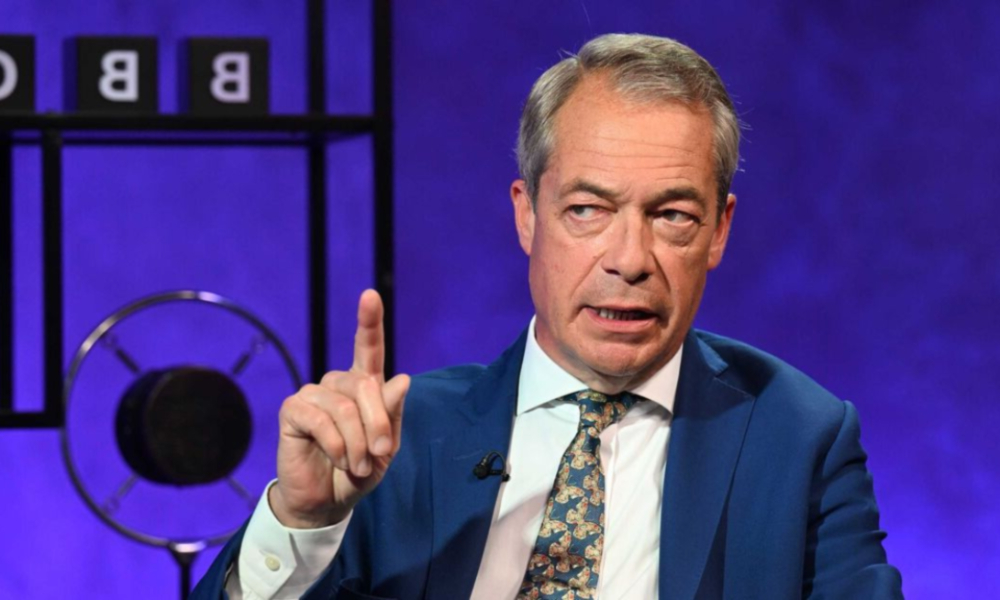

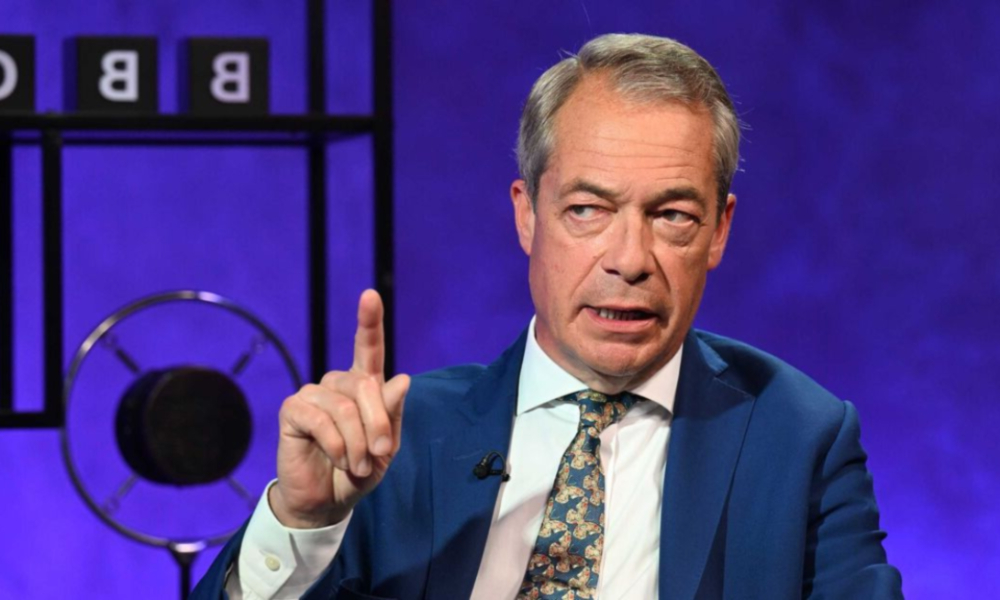
Nigel Farage shared a photo of himself celebrating with a pint after England beat Croatia 4-2 in the World Cup last night – but eagle-eyed social media users spotted something wrong with the picture
Jubilant scenes erupted throughout England last night as Thomas Tuchel’s side secured a stunning 4-2 triumph in the Three Lions’ World Cup opener. Supporters nationwide rejoiced, raising pint after pint following two first-half strikes from Harry Kane, complemented by another two second-half goals from Jude Bellingham and Marcus Rashford, propelling England’s tournament to a blistering start.
Among those marking the occasion was Reform UK leader Nigel Farage, who shared an image on X, formerly Twitter, following the final whistle, showing himself at a pub wearing an England shirt while happily sipping a pint, captioned: “Proper job. @England.” However, observers were swift to highlight an issue.
Mirror US Political Editor Mikey Smith reshared the photograph, questioning: “This…er. This taken tonight was it Nigel?” Another commented: “Incredible that you managed to be in the same pub with the flags in the exact same place with same people next to you from the Euros two years ago.”
Social media users rapidly identified the photograph as having actually been taken nearly two years earlier, at The Armfield Club in Blackpool during England’s Euro clash with Denmark on June 20, 2024 – rather than last night, reports the Daily Star.
Another user on X shared a collection of photographs from the same occasion, accompanied by the tongue-in-cheek remark: “Nigel Farage is such a man of the people, that he arranged for everyone he was in the pub with to watch England play Denmark in 2024, to get back together in the same clothes to watch England play Croatia in the 2026 World Cup. What a guy!”
In response to Farage’s post, one user quipped: “It’s taken you two years to drink that pint, you f lightweight.”
Meanwhile, another playfully shared the same photograph with the caption: “Farage celebrating the World Cup in 2030.”
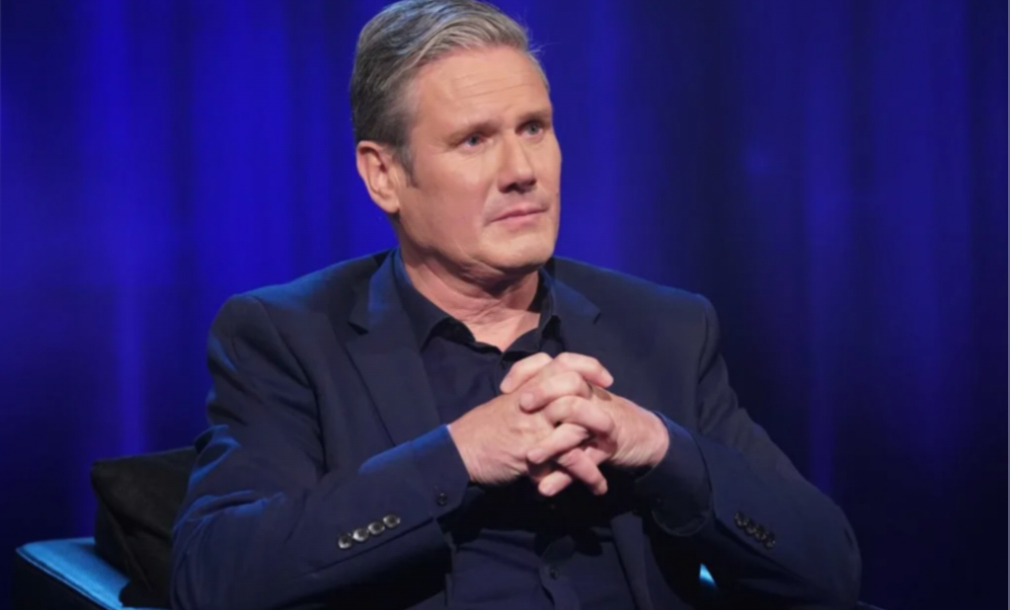
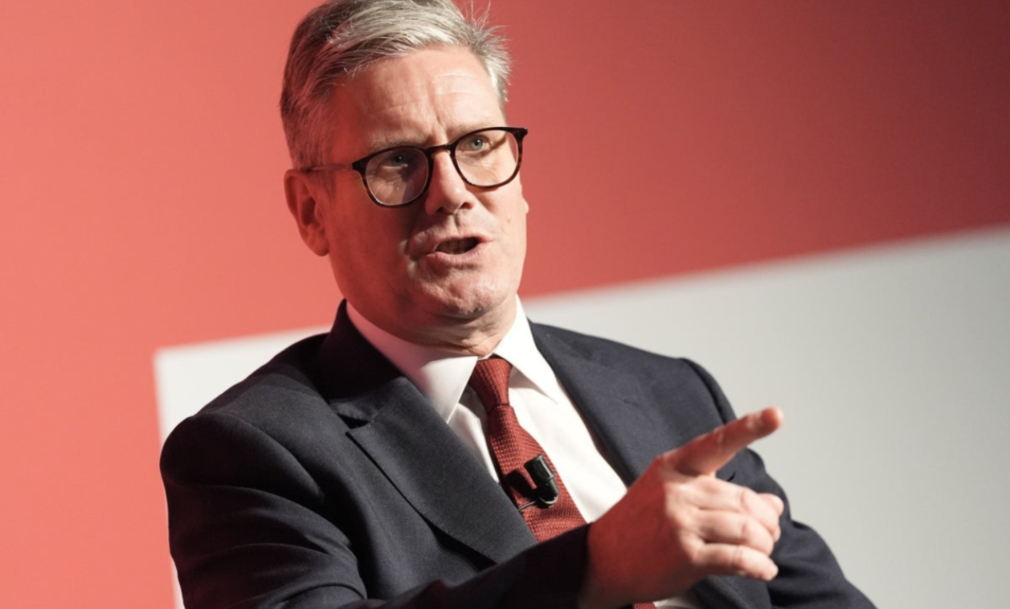
Mikey commented: “If Keir Starmer was caught using a picture of himself from two years ago to celebrate an England win, the backlash would probably be enough to finish him off.”
A spokesperson for Reform UK explained: “Yes, the picture is from 2024. After a full day campaigning in Makerfield ahead of the by-election, Nigel watched the game nearby and celebrated England’s first win (hopefully the first of many!)”
Residents in Makerfield, Greater Manchester, are casting their votes today, Thursday, in a by-election to select their new MP.
The fixture at the AT&T Stadium in Dallas stood at 2-2 at half-time following Kane’s brace, which was matched by Croatia’s Martin Baturina and Petar Musa.
However, the Three Lions surged ahead after the restart, with Bellingham finding the net merely two minutes into the second half, before Rashford sealed victory in the 85th minute. Writing on X following the game, Prime Minister Sir Keir Starmer called the win a “fantastic result against Croatia and a performance to be proud of”. He continued: “On to the next one.”
England’s next fixture sees them take on Ghana at Boston Stadium on Tuesday, June 23 – with kick-off scheduled for 9pm GMT.
Their final group stage encounter against Panama follows at the New York New Jersey Stadium on Saturday, June 27, getting under way at 10pm British time.