

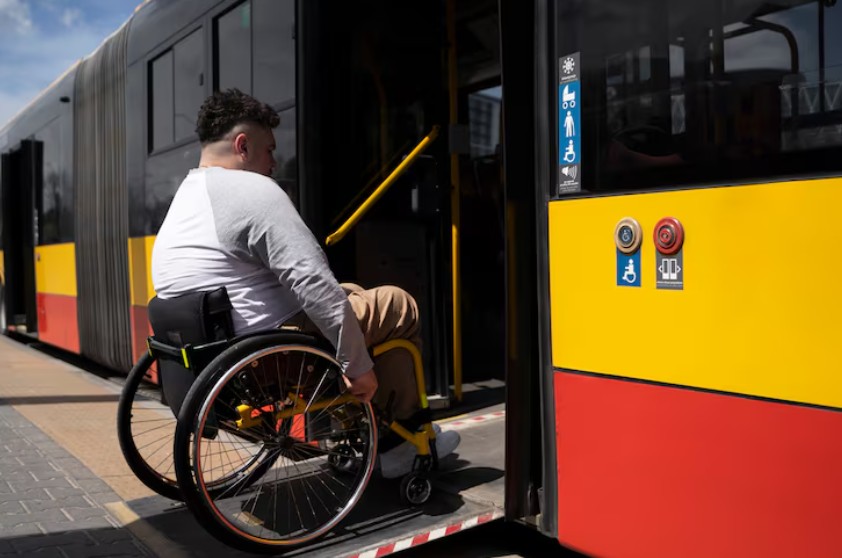
Several regions across the United Kingdom have announced new initiatives aimed at improving public transport accessibility for commuters and residents. These measures focus on both physical infrastructure upgrades and enhancements to services, designed to provide more equitable and efficient transport options for all citizens.
Advertorial
Key components of the improvement plans include modernizing transport hubs, increasing the frequency of services, and implementing accessibility features such as ramps, lifts, and tactile guidance systems. The Department for Transport has emphasized that these initiatives are part of a wider effort to make public transport more inclusive, reliable, and environmentally sustainable.
Urban centres, in particular, are prioritizing investment in metro, bus, and train networks to accommodate growing populations and reduce congestion. Enhanced connectivity between suburban areas and city centres is intended to support both economic activity and daily commuting needs.
Accessibility improvements also target individuals with mobility challenges, older adults, and families with young children. Policies mandate compliance with accessibility standards, while funding programs provide support for upgrading older transport facilities to meet modern requirements.
Digital solutions are increasingly integrated into transport planning. Real-time information systems, mobile ticketing, and journey planning apps aim to improve convenience and reliability for users. These tools also provide feedback mechanisms to identify areas for further improvement and adapt services to demand.